
The Greeting Kiss: How to Opt Out Without Reading as Hostile
Robin Archer·
In certain social environments, the cheek kiss has become the greeting. Not offered or checked, just performed: you arrive, someone comes toward you, the heads tilt, the air-adjacent kiss happens twice, sometimes three times depending on regional tradition, and then you're into the conversation.
For some people this is fine. For others it's the kind of thing they spend the whole drive home dreading.
I've been in both categories at different points. What changed was less the kiss itself than the social environment I was in and how embedded the ritual was in it. In a context where the kiss is deeply normal and expected, opting out carries a different social cost than in a context where it's more situational.
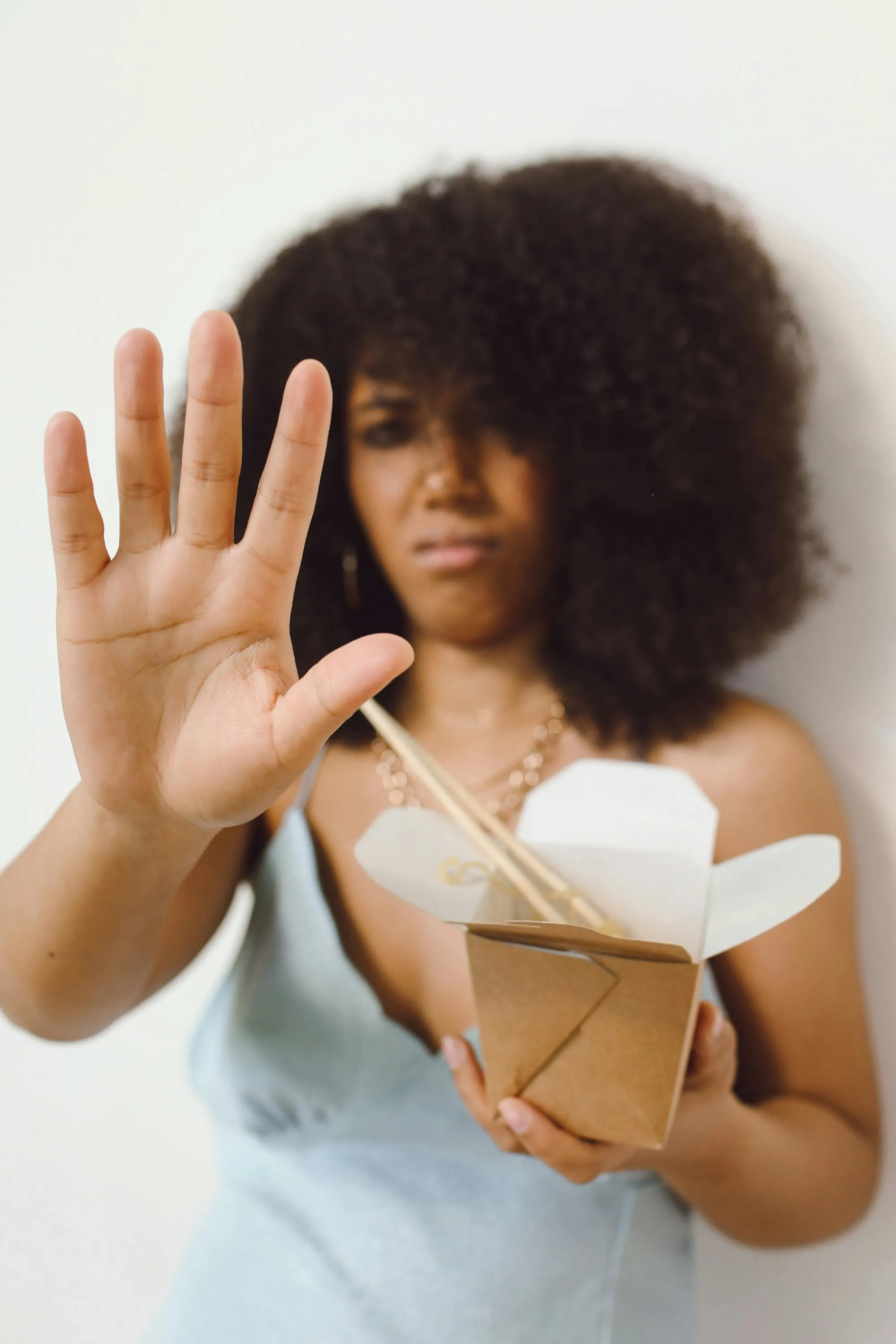
What the cheek kiss is doing
The greeting kiss functions as a signal: we are close, we are warm, we are not strangers. In the social contexts where it operates, it carries genuine information. People who share the ritual feel a kind of belonging through it.
What it requires is that everyone in the room is willing to perform it, which the ritual itself often doesn't check for. The assumption is membership. If you're present, you're assumed to be participating.
The person who opts out is thus not just declining a kiss. They're stepping outside the belonging signal, which can register as social distance even if that's not what they intend.
What opting out looks like
The easiest intervention is physical: moving before the trajectory is set. A hand extended, firmly, while the other person is still a step away. If they're coming in for a kiss and they see the hand first, most people will take the hand.
The verbal version, when you need it: "I'm a hand person, sorry." The sorry is optional. I include it because it tends to reduce the moment of friction without being an actual apology for anything. You're not sorry. You just don't want to kiss strangers.
In a context where this is the first meeting and the ritual is well-established in the group: the hand plus something warm in your voice. The warmth counterbalances what the declined kiss might read as. You're signaling closeness through the tone rather than through the gesture.
The person who persists
Some people persist. They're committed to the ritual, or they interpret the declined kiss as a social error rather than a preference, or they just don't notice that you've redirected. They come in again.
At this point you can use more space: step back more definitively, hold the handshake for a beat, say "I'd rather not" if words are necessary.
You don't owe anyone a kiss because they expected one.
When you're deep in an environment where it's universal
If you're embedded in a social or professional environment where the greeting kiss is absolute, opting out of it every time creates a kind of ongoing friction that is genuinely tiring. Some people in this situation decide to perform the greeting on terms they can live with: a brief lean rather than actual contact, the head turn that makes it cheek rather than mouth-adjacent, a gesture that reads as participation without requiring the full thing.
This is a reasonable accommodation if the environment requires it and the discomfort is mild. It's not a reasonable accommodation if the discomfort is significant. In that case, the options are to name it directly, to find a version of the social environment that doesn't require this, or to accept that opting out will carry some social cost and decide whether that cost is worth it.
Most of the time, the cost of opting out is less than it looks like from the inside. The person who didn't get a kiss will usually have moved on well before you've stopped thinking about it.
This is a free resource. If it gave you language for a situation, or helped you handle something better, you can support the work.
Support the WorkNo PayPal account needed.