Networking Events and the Pressure to Be Physically Accessible
Robin Archer·
The networking event has its own rules about bodies. There's the handshake, which is baseline. There's the side-hug from someone you've met twice and are clearly going to be close with. There's the shoulder pat that accompanies enthusiasm, the hand on the back that guides you toward the group you should meet. Physical accessibility is woven into the fabric of the event, and the person who isn't participating in it, who keeps a bit more space, who doesn't reach back, registers slightly differently.
This is a real cost. I'm not going to pretend it isn't.
What physical contact is doing at these events
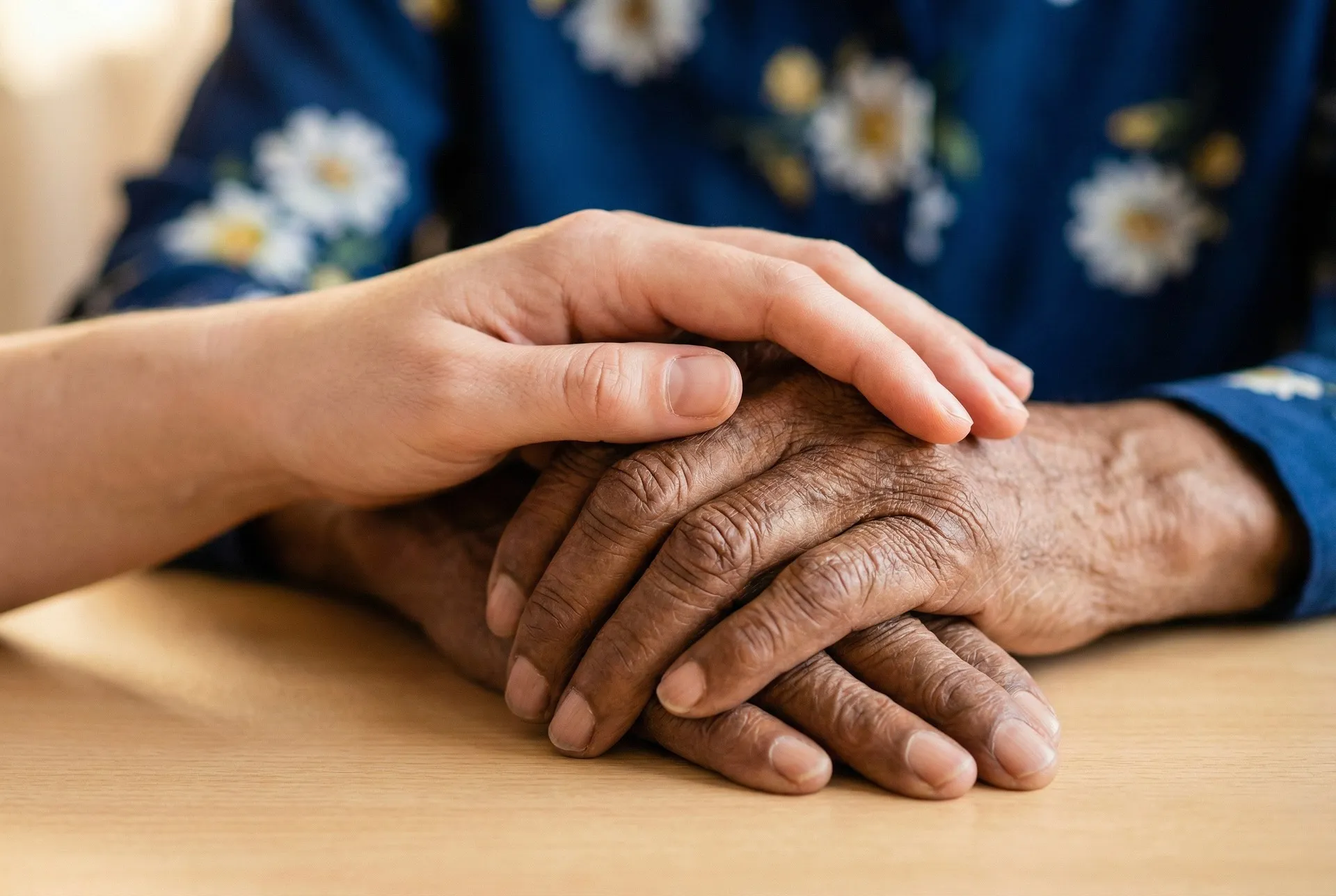
At a networking event, physical contact functions as warmth and confidence signal simultaneously. The person who greets with a firm handshake and easy physical presence is reading as comfortable, as socially capable, as someone it might be enjoyable to work with. The contact is doing professional work.
This is not a formal rule anywhere. It's an implicit social norm, and like most implicit social norms it is easier to navigate if you fit the assumed default. If reaching and touching and hugging are natural to you, you're probably unaware of how much these gestures are doing for your social read. If they're not natural, you're navigating something other people don't have to think about.
What you can do
The handshake is still the baseline professional greeting and is available everywhere. Offering your hand, firmly and immediately, tends to set the register for the interaction. Most people will match it. You're not rejecting warmth. You're establishing the physical format of the exchange.
For the side-hug from a near-stranger: step sideways rather than in. The slight adjustment makes the hug geometrically unavailable. You can say "so good to see you" with genuine warmth while your body isn't participating in the embrace. The warmth carries. The hug doesn't happen.
For the shoulder pat and the back-of-the-hand guide through the room: these are harder because they come from behind or to the side, in motion. You can increase your pace slightly, which makes the hand landing harder to maintain. You can turn toward the person, which changes the geometry. It requires a bit of physical attention.
The professional cost question
The honest answer is that there is sometimes a professional cost to opting out of the physical norms of a social environment. I've seen it. People who are physically warm tend to be perceived as warmer, and warmth reads as a professional asset in certain fields and certain circles.
What's also true is that the cost is often smaller than it feels from the inside. The person who didn't get a side-hug is usually not thinking about it. The person who got the handshake instead of the shoulder-pat has moved on to the next conversation. The magnitude of the perceived cost tends to be inflated by our own awareness of having opted out.
And the alternative, performing physical warmth you don't feel across an entire evening, has its own cost: the tension of it, the fatigue, the sense of having spent the event managing your body instead of being in your conversations.
What the event is actually for
The professional relationships worth having are not, in my experience, contingent on whether you hugged someone at a cocktail party. They're built on whether you said interesting things, listened well, followed up, showed up on time, did good work.
The physical warmth at the event is a signal, not the substance. You can be genuinely warm in other ways. Most people who are paying attention will notice. The ones who aren't, you probably weren't going to build much with anyway.
This is a free resource. If it gave you language for a situation, or helped you handle something better, you can support the work.
Support the WorkNo PayPal account needed.