The Relative Who Always Touches Your Face or Hair
Robin Archer·
Face and hair are particular. They sit at a different level of intimacy than a pat on the back or a hand on the shoulder. They are the territory of close relationships: partners, parents of very young children, close friends who have been doing it for decades with your consent. And yet there's a category of relative who treats them as available whenever they're in the room with you.
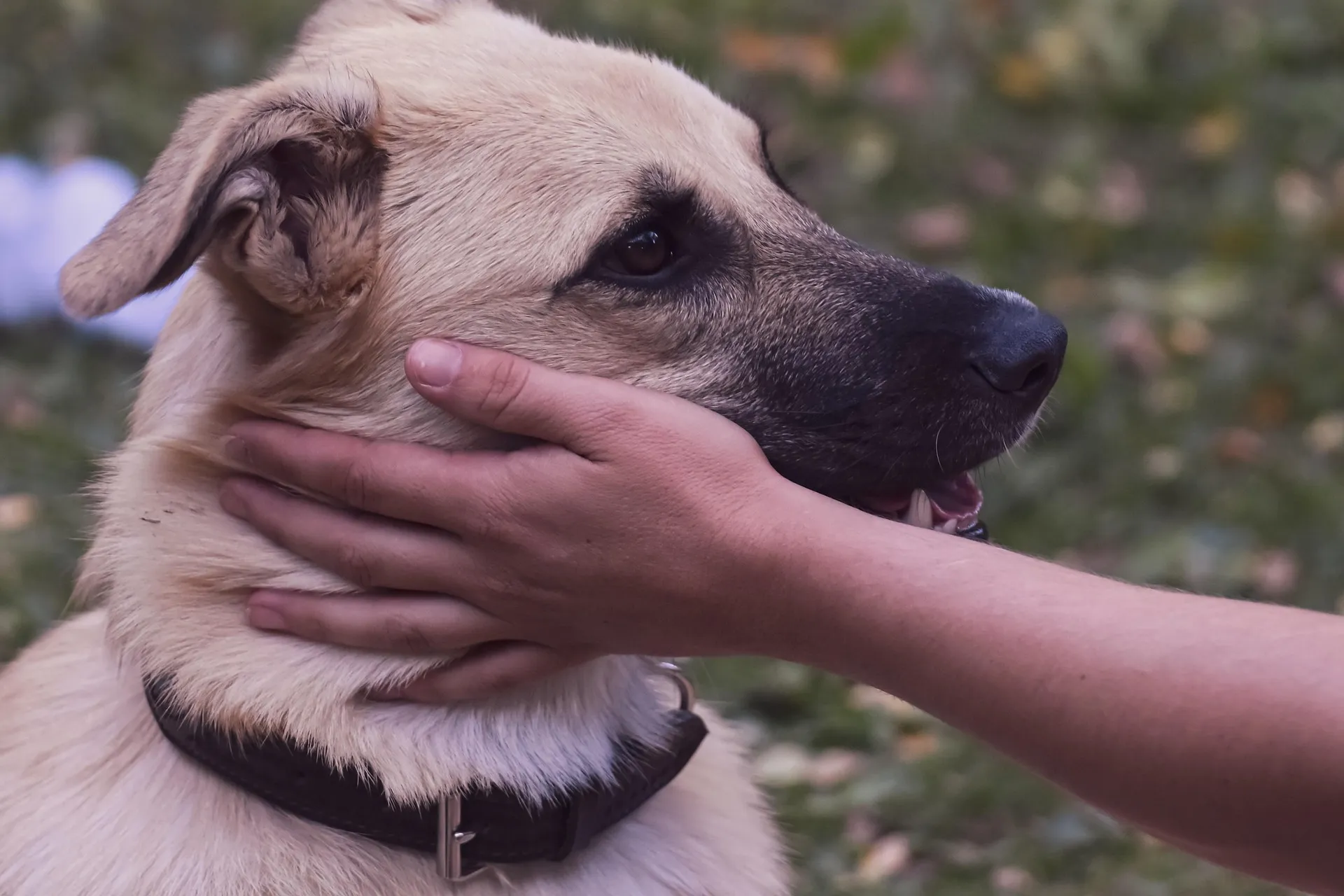
The face-grab is often both hands, framing your cheeks or jaw, the relative looking at you like you're a child they're measuring for growth. Sometimes it's a cheek pinch. Sometimes it's a chin tilt so they can get a better look at you. The hair touch is usually the kind where someone reaches out and tucks a strand, or touches the top of your head, or comments on your hair while their hand is already moving toward it.
These gestures read as affection to the person doing them. They usually are affection. They're the language of a relationship that was established when you were very young and hasn't updated its vocabulary.
Why this one is harder to name
Part of the difficulty is that the motivation is so clearly warm. You don't want to say "please don't touch my face" to someone who is touching your face because they love you. The response to the gesture doesn't match the size of the gesture, and the mismatch feels disproportionate.
The other part is that these touches happen fast, often in greeting, when there isn't time to think or prepare. By the time you've processed that you didn't want it, it's already over.
My cousin described a grandmother who would take her face in both hands every time she saw her, into adulthood. She said the thing that bothered her wasn't any single instance. It was the cumulative experience of having her face handled as though it were available, as a natural part of being in the same room. She eventually said something at forty, in a quiet moment: "Grandma, I love you, but I don't love having my face held." She said it gently. Her grandmother was surprised, and then soft about it. She thanked my cousin for telling her. She didn't do it again.
Not every version of this goes that smoothly. But it's a real version.
What to say
You can say it in the moment: "Please don't" while moving away. That's complete. You can say it in a quieter moment: "I know you mean it warmly, but I'm not comfortable with face-touches." You can say it the way my cousin did: with warmth and directness together.
What you're not required to do is explain why. The face and hair are yours. The discomfort is real. Neither of those things requires defense.
The particularly complicated version
There's a racial dimension to the hair version that applies to Black women and women with natural or textured hair in particular. The experience of white relatives, acquaintances, or strangers touching natural hair as though it's an object of curiosity is its own category of violation, one that comes loaded with a history of treating Black women's bodies as available for white inspection. The "you don't mind, do you?" that comes after the hand is already in someone's hair is not actually asking.
I am not the right person to write that article. What I can say is that the same principle holds: the discomfort is real, the hair is theirs, and no relationship entitles another person to touch it without asking. The warmth of the intention is not a defense.
What they can actually handle
The relative who means well, who is genuinely affectionate, who does this from love: they are capable of hearing you. They may be briefly hurt. They will usually recover.
The relationship that exists after you've said something, where what you want is known and honored, is more honest than the one where you've been tolerating something you didn't want. My cousin found that to be true. I've found it to be true too. The conversation that produces it is uncomfortable. The relationship on the other side of it tends to be more comfortable.
This is a free resource. If it gave you language for a situation, or helped you handle something better, you can support the work.
Support the WorkNo PayPal account needed.