
When the Person Genuinely Has No Idea They're Doing It
Robin Archer·
There's a version of this problem where the person doing it knows and doesn't care, has been told and continues, is aware that the contact isn't welcome and reaches anyway. That version requires a different response than this one.
This one is about the person who genuinely has no idea. Who would be surprised to learn that you've been stepping back from them for six months. Who is operating entirely from a set of social assumptions that make the contact seem entirely unremarkable.
This is a real category. It is not as common as people sometimes claim after being confronted, but it is real.
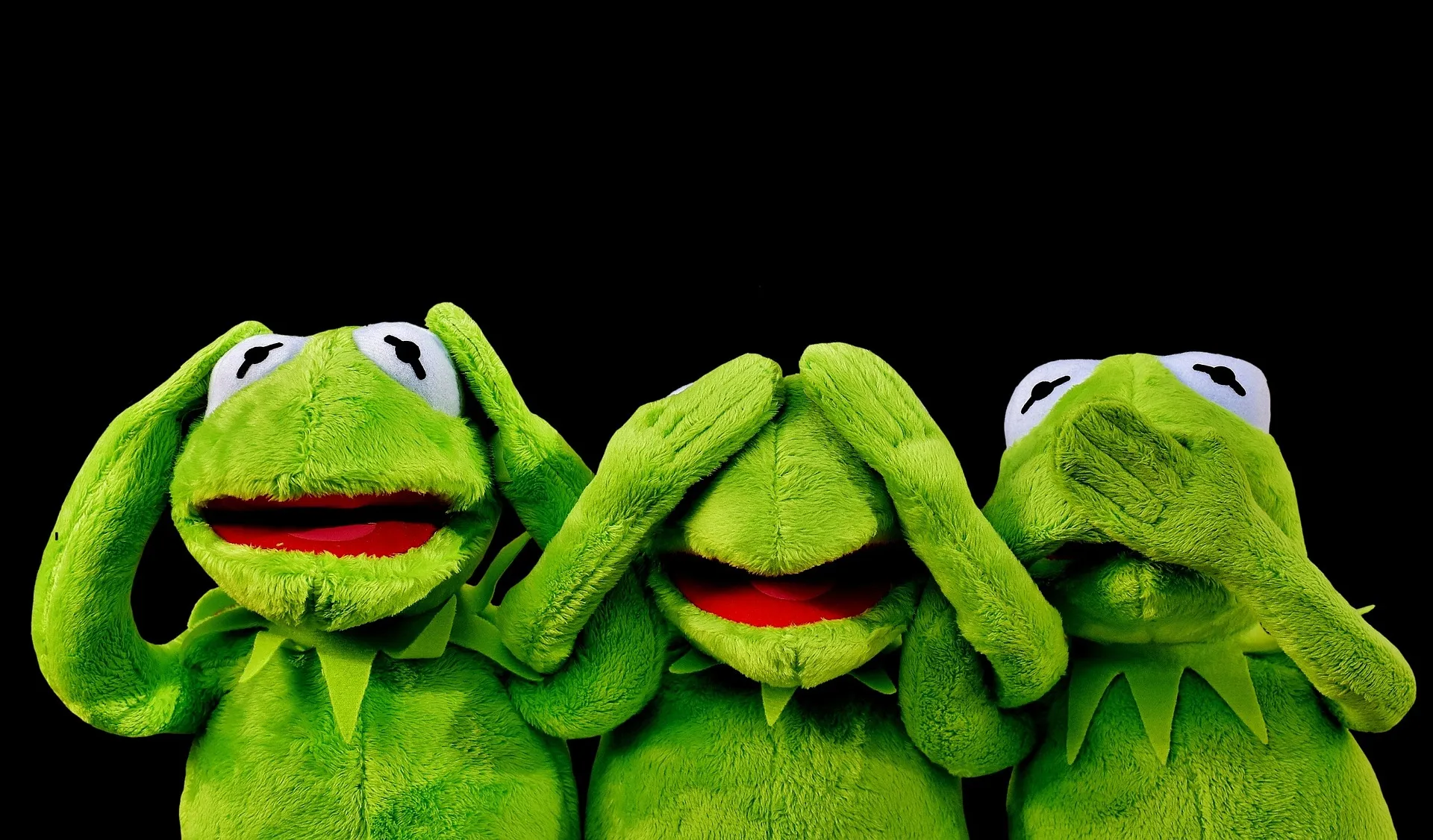
What genuine obliviousness looks like
The genuinely oblivious person usually has a consistent pattern rather than a targeted one. They touch everyone that way. Their friends, their family, their colleagues. The touch isn't a reading of the situation. It's a default setting that applies regardless of context.
They're also often surprised by other people's reactions across their life, not just yours. They'll tell you that they've been told before that they stand too close, that someone mentioned they're "touchy." They may find this confusing because from the inside it doesn't feel like anything except being present.
The flip side: they don't adjust when you've given them a clear signal. The genuinely oblivious person misses the signal because they're not looking for it. The person who is aware and choosing to proceed misses the signal on purpose. The difference matters for what to do next.
How to tell them apart
You often can't, at least not from the non-verbal signals alone. The missing of those signals is the same whether the origin is obliviousness or disregard.
What tells you more is how they respond when you say something directly. The genuinely oblivious person is usually surprised, sometimes embarrassed, and adjusts. The person who knew and was proceeding anyway will often defend, deflect, or minimize: "I wasn't even doing that," "you're too sensitive," "it was just a touch."
The verbal response to a direct request is your clearest window into which version you're in.
The conversation with someone who genuinely doesn't know
This one can be gentler than the one with someone who should have known. "I don't think you're aware of this, but you tend to touch my arm a lot when we're talking and I'd rather you didn't. It's just how I'm wired." The opening phrase, "I don't think you're aware," invites the genuine surprise rather than preemptively charging them with intent.
A friend described telling her officemate something similar. She said the officemate's face went through several stages: confusion, then recollection of specific instances, then genuine embarrassment. She said to my friend: "I didn't know you were doing that." Meaning the stepping back, the angling away. She had genuinely not read it.
They adjusted the dynamic between them over the next few weeks. My friend said it was the least-fraught version of this conversation she'd ever had, because the person she was having it with actually wanted to know.
What obliviousness doesn't excuse
Understanding that someone didn't know doesn't mean waiting indefinitely for them to figure it out. The discomfort is real whether they're aware of it or not.
The case for telling the oblivious person sooner rather than later is that the conversation you're avoiding is much better for everyone than the months of management you're doing instead. The genuinely oblivious person, told directly, will often respond with relief. They wanted to know. They just didn't know they didn't know.
This is a free resource. If it gave you language for a situation, or helped you handle something better, you can support the work.
Support the WorkNo PayPal account needed.
More from this topic
What Non-Verbal Signals About Personal Space Actually Look Like
The step back. The tension across the shoulders. The face that has gone still. What these signals communicate and how to tell who isn't seeing them from who is choosing not to.
What Happens After You Say Something About Personal Space
The talk is over. Now what? The realistic outcomes after telling someone their touch isn't welcome — the good ones, the awkward ones, and how to read which one you're in.